NDIS Assistive Technology Guide for 2026
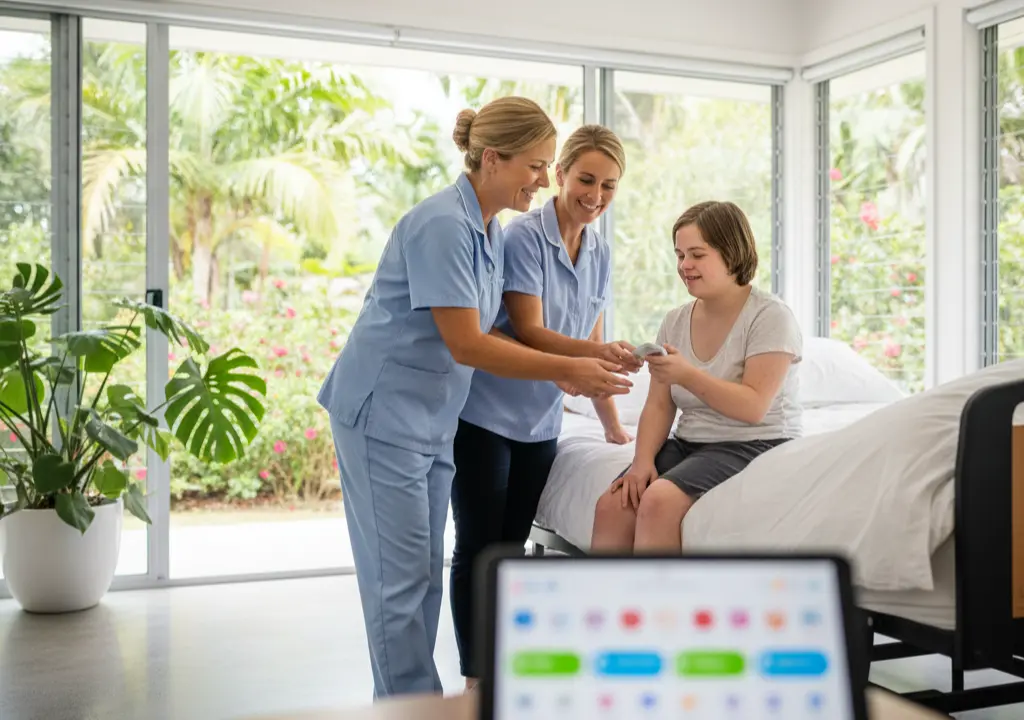
NDIS assistive technology refers to any equipment or system that helps you do things you cannot do because of a disability. This technology makes daily tasks safer and helps you live a more independent life at home and in your community.
TL;DR: Navigating Assistive Technology in 2026
The NDIS pays for assistive technology (AT) that is "reasonable and necessary" for your disability. Funding is divided into three main cost levels. Low-cost items are under $1,500 and are easy to buy. Mid-cost items range from $1,500 to $15,000 and usually need a letter from a therapist. High-cost items are over $15,000 and require a full assessment and a quote. In 2026, the NDIS also allows "replacement supports." These are everyday items like smartwatches or tablets that can replace more expensive disability gear if they help you meet your goals.
For participants in regional Queensland, accessing AT requires careful planning. We found that the best results happen when clinical nurses and therapists work together. Nurses ensure that high-risk equipment, like pressure-care mattresses or hoists, is used safely. If you live in Cairns or remote areas, you must also consider travel costs for repairs and trials. Using a local provider ensures your gear stays in good working order. This holistic approach keeps you safe and helps you get the most out of your NDIS budget.
What counts as NDIS assistive technology?
NDIS assistive technology is any device or system that allows you to perform tasks that you would otherwise find difficult or impossible. It ranges from simple tools like nonslip mats to complex machines like power wheelchairs.
The NDIS looks at how a tool helps you. It must relate directly to your disability. It must also help you reach a goal in your plan. For example, a flashing doorbell helps someone who cannot hear. A modified spoon helps someone with limited hand movement. We found that even small tools can make a big difference in confidence.
Common examples include:
- Mobility aids: Walkers, canes, and wheelchairs.
- Communication tools: Speech-generating devices or apps.
- Personal care gear: Shower chairs and hoists.
- Home tech: Smart lights or automated door openers.
How do the three cost levels work?
The NDIS groups assistive technology into three levels based on the price of the item. Each level has different rules for how you can buy the equipment.
We suggest talking to an advisor even for low-cost items. This ensures you buy the right thing the first time. For mid-cost and high-cost gear, you must involve a professional. This might be an Occupational Therapist or a registered nurse. They help prove to the NDIA that the item is worth the money.
What are NDIS replacement supports?
Replacement supports are everyday items that are not normally on the NDIS list but can be used to replace traditional disability gear. You must get written permission from the NDIS before you buy these items.
Sometimes a standard tablet is better and cheaper than a special communication device. In 2026, the NDIS recognizes this. You can ask to use your budget for a smartwatch if it helps you track your health or stay safe. These items must be equal to or cheaper than the original support.
You cannot just go out and buy a new phone with NDIS money. You must show that it reduces your need for other paid help. We have helped many clients apply for these supports to increase their independence. You can find the latest replacement supports list on the official NDIS website.
Why is clinical oversight vital for high-risk AT?
Clinical oversight ensures that complex or high-risk technology is used correctly to prevent injury or health problems. Registered Nurses play a key role in monitoring skin integrity and respiratory safety when using advanced gear.
High-risk items include things like pressure-care mattresses or bed sticks. If these are used the wrong way, they can cause harm. A nurse can check that your mattress is at the right pressure for your weight. They can also train your family on how to use a hoist safely.
We provide aged care and disability services that include this nursing check. It is not enough to just have the equipment. You must know how to use it safely every day. This keeps you out of the hospital and safe in your own home.
How do you get AT approved in your plan?
To get AT approved, you must identify your need during your planning meeting and provide evidence from a qualified professional. The NDIS will then add funding to your Capital Supports budget.
The process usually follows these steps:
- Identify the need: Think about what tasks are hard for you.
- Get an assessment: A therapist or nurse looks at your needs.
- Get quotes: For high-cost items, you need to show what it will cost.
- Submit evidence: Send your reports and quotes to the NDIA.
The National Disability Insurance Agency makes the final decision. They check if the item is "value for money." This means it should be the cheapest option that still does the job well. Once approved, the money is moved into your plan.
What about repairs and maintenance?
The NDIS provides funding in your plan to help with the ongoing cost of keeping your technology working. Regular servicing prevents your gear from breaking down when you need it most.
For small repairs like a flat tyre on a wheelchair, you can often use your Consumables budget. For big repairs, the money comes from your Capital Supports budget. You should always have a repair person you trust.
If you live in regional areas like Cairns, travel costs for repairs can be high. We recommend choosing a local provider. This makes it faster and cheaper to get help. You can read the Fair Work Commission rules on travel to understand these costs better.
Can you trial equipment before buying?
Yes, the NDIS encourages participants to trial expensive or complex equipment to make sure it is the right fit. A trial ensures you do not waste your funding on gear that does not work for you.
Many providers offer a "try before you buy" service. You can use the item for a few days or weeks. Your therapist will watch how you use it. They will check if it helps you reach your goals.
If a trial is successful, the therapist includes this in their report. This gives the NDIS more confidence to approve the funding. We found that trials are the best way to avoid mistakes with expensive gear.
How does the NDIS define "Reasonable and Necessary"?
"Reasonable and Necessary" means the support is fair, related to your disability, and likely to be effective. It must not include everyday costs that people without disabilities also pay.
The NDIS checks several things:
- Does it relate to your disability?
- Is it value for money?
- Is it safe and beneficial?
- Does it help you get involved in the community?
You can look at the Australian Competition and Consumer Commission for your rights as a buyer. This helps you choose the best technology from reliable stores. Always ask yourself if the tool truly helps you stay independent.
How can Clinicare QLD help you with AT?
Clinicare QLD helps by providing clinical assessments and nursing support to ensure your assistive technology is safe and effective. We focus on the unique needs of people in regional and remote Queensland.
We understand that gear is only part of the solution. You also need the right training and medical care. Our team can work with your therapists to create a complete plan. We make sure your hoists, beds, and mobility aids are working for you.
If you need help with your NDIS gear, contact us today. We can talk about your needs and how to get the right support. Let us help you use technology to live your best life.
FAQ
Does the NDIS pay for laptops or phones?
Generally, the NDIS does not pay for standard laptops or phones because most people own these. However, they may pay for one if it is used specifically for communication apps or specialized learning software that you cannot use on anything else.
How do I find an NDIS provider for equipment?
You can use the "Provider Finder" tool on the NDIS website. You can also ask your Support Coordinator or local community groups for recommendations. Registered providers must follow strict safety rules.
Can I buy assistive technology from a normal shop?
Yes, you can buy low-cost items from normal shops if you are self-managed or plan-managed. You must keep your receipts and make sure the item is related to your disability goals. For expensive items, you must use an NDIS-approved supplier.
What happens if my equipment breaks down at night?
Some plans include funding for "Emergency Repairs." You should check your service agreement with your repair provider to see if they offer 24/7 help. If you live in a remote area, having a backup plan is very important.
Is a wheelchair considered high-cost AT?
It depends on the type. A basic manual wheelchair might be mid-cost ($1,500 to $15,000). A custom-built power wheelchair is often high-cost (over $15,000). Both require an assessment to make sure they are right for you.